
While it can sometimes happen after brushing or flossing, gums that bleed regularly should not be ignored. Left untreated, bleeding gums may lead to discomfort, swelling, and, in some cases, more serious dental problems.
At Kent Emergency Dentist, we provide urgent appointments for patients across Maidstone, Canterbury, Ashford, Dartford, Tunbridge Wells, and many more towns in Kent. Our aim is to relieve discomfort quickly, identify the cause, and help you protect your long-term gum health.
Why bleeding gums should be taken seriously
Gums are designed to act as a healthy, protective seal around your teeth. When they start to bleed, it may indicate inflammation, infection, or damage to the soft tissues. Ignoring the problem can lead to:
Seeking help early gives the best chance of reversing the problem with simple treatment and professional care.
What to do if your gums are bleeding
If you notice bleeding from your gums, especially after brushing, flossing, or eating, it is best to arrange a dental appointment as soon as possible. In the meantime, you can:
These measures can help limit discomfort, but professional treatment is needed to address the underlying cause.
Common causes of bleeding gums
There are several reasons why gums may bleed. Some of the most common include:
At your emergency appointment, the dentist will determine the cause and recommend the right treatment.
What to expect at your emergency appointment
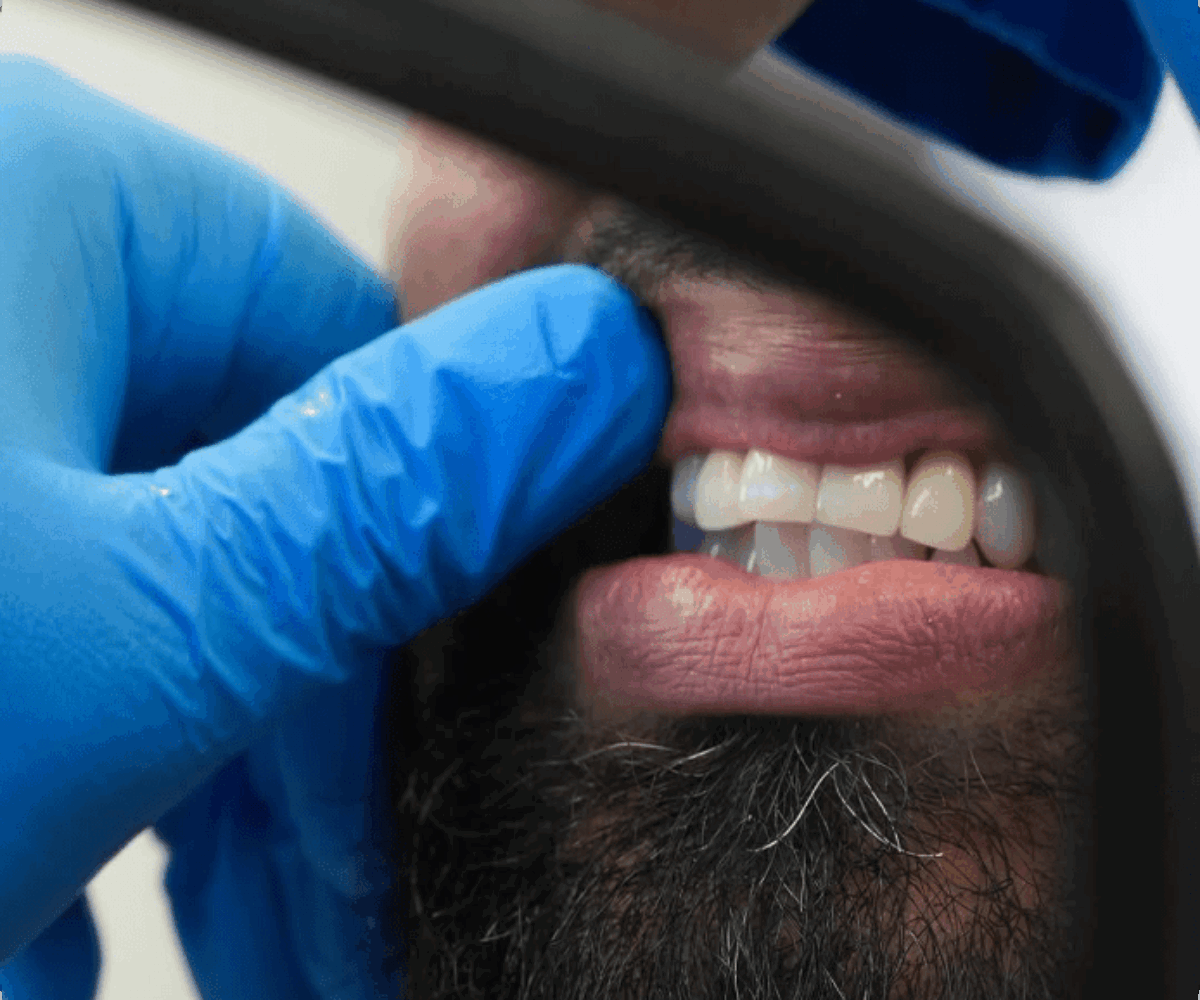
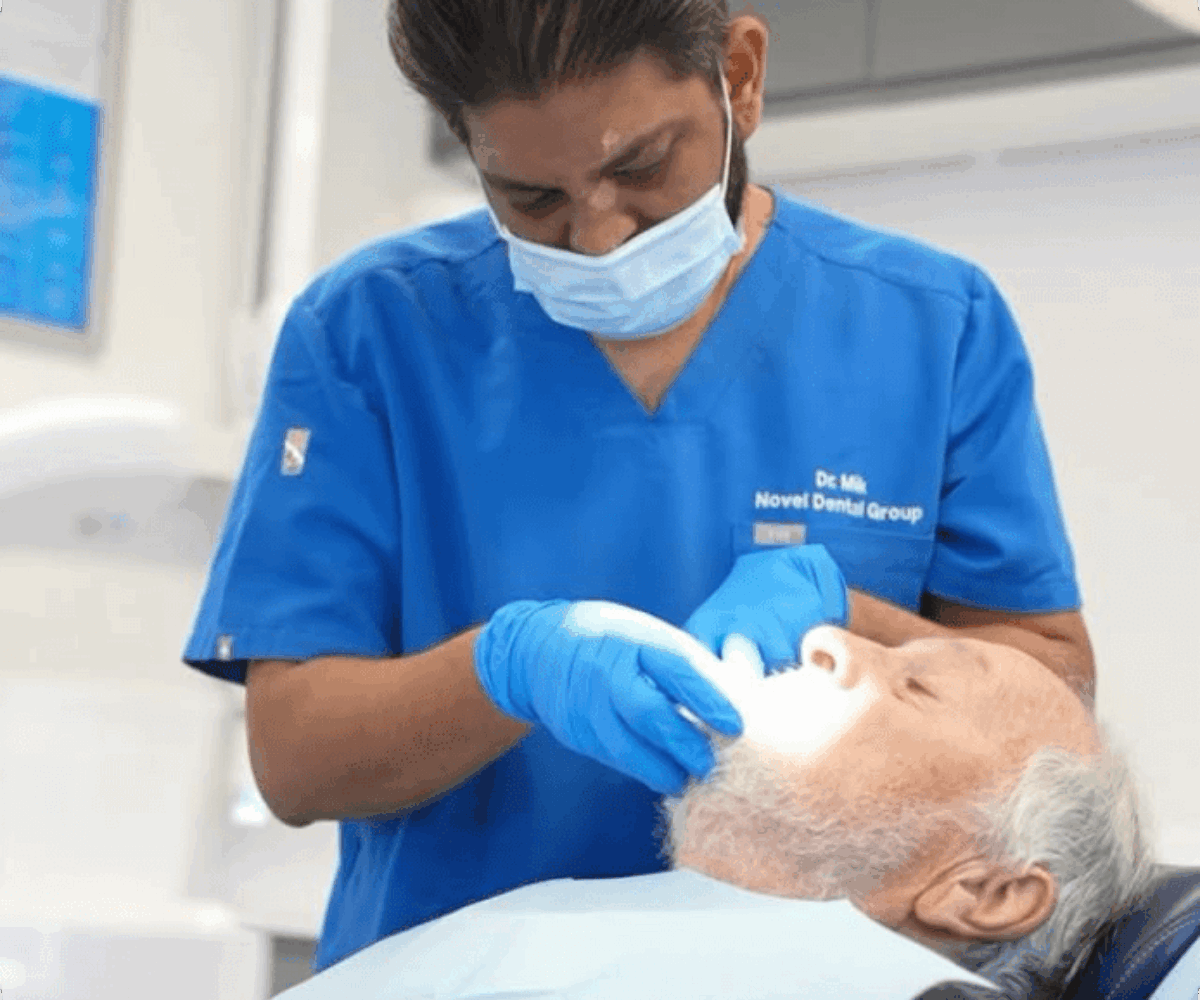
When you attend for bleeding gums, your dentist will:
Treatment options for bleeding gums
Treatment depends on the cause and severity of the problem:
Aftercare and preventing future problems
Following treatment, good oral hygiene and regular dental visits are key to keeping gums healthy. Your dentist will provide guidance, which may include:
By following this advice, most patients see their gums heal and bleeding reduce significantly.
We welcome patients across Kent 24/7.
Back to Emergency Treatments

Whether it’s a cracked tooth, lost filling, or swelling, our friendly team helps patients like you every single day.


If you’re experiencing severe pain, facial swelling, or dental trauma, call us immediately on 01474 639 111.
This practice is regulated by the General Dental Council. All practitioners are GDC-registered professionals. Treatment options and outcomes will be discussed with patients prior to any procedure.


Delaying care can lead to serious infections and complications.
Contact us Call us now