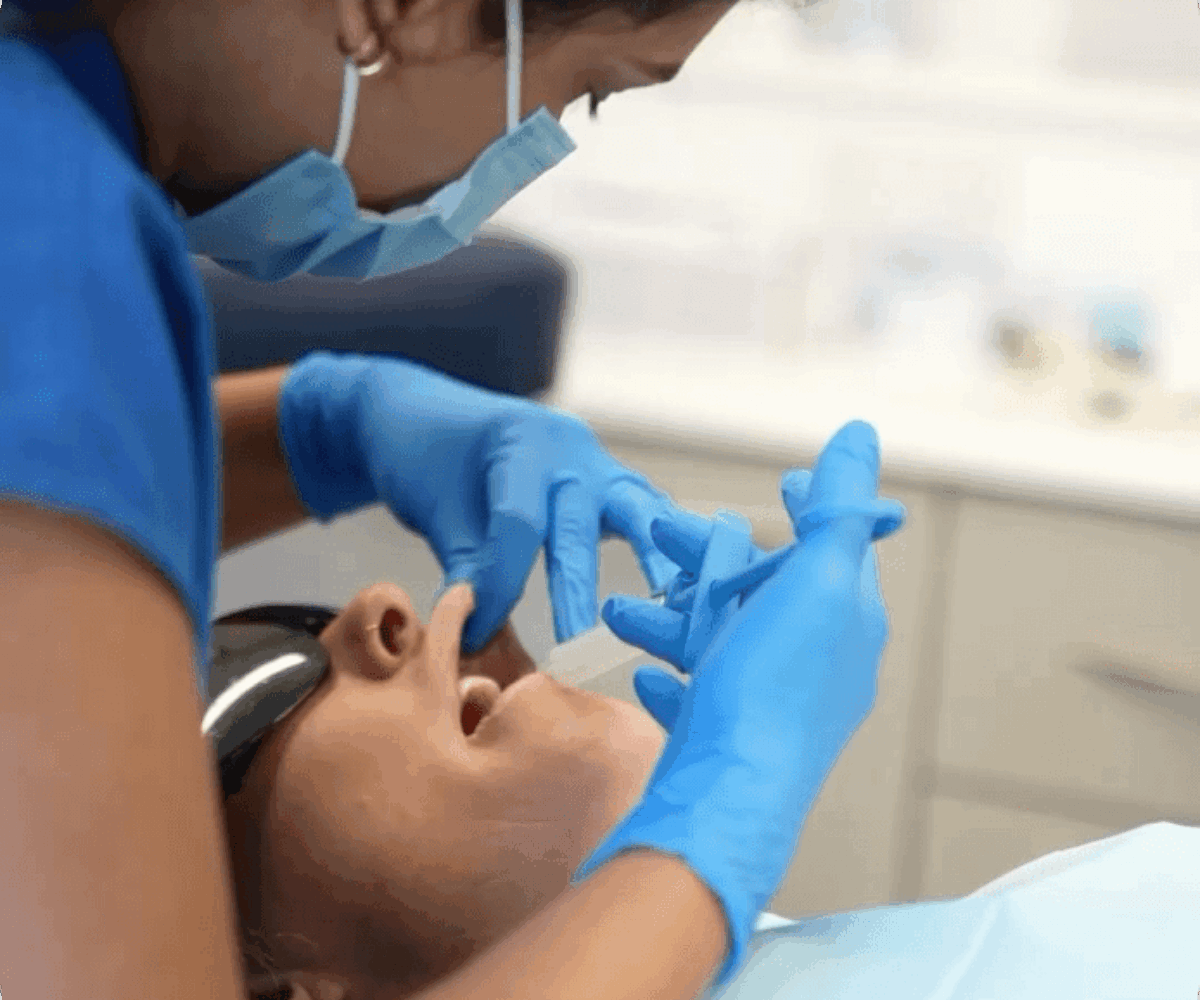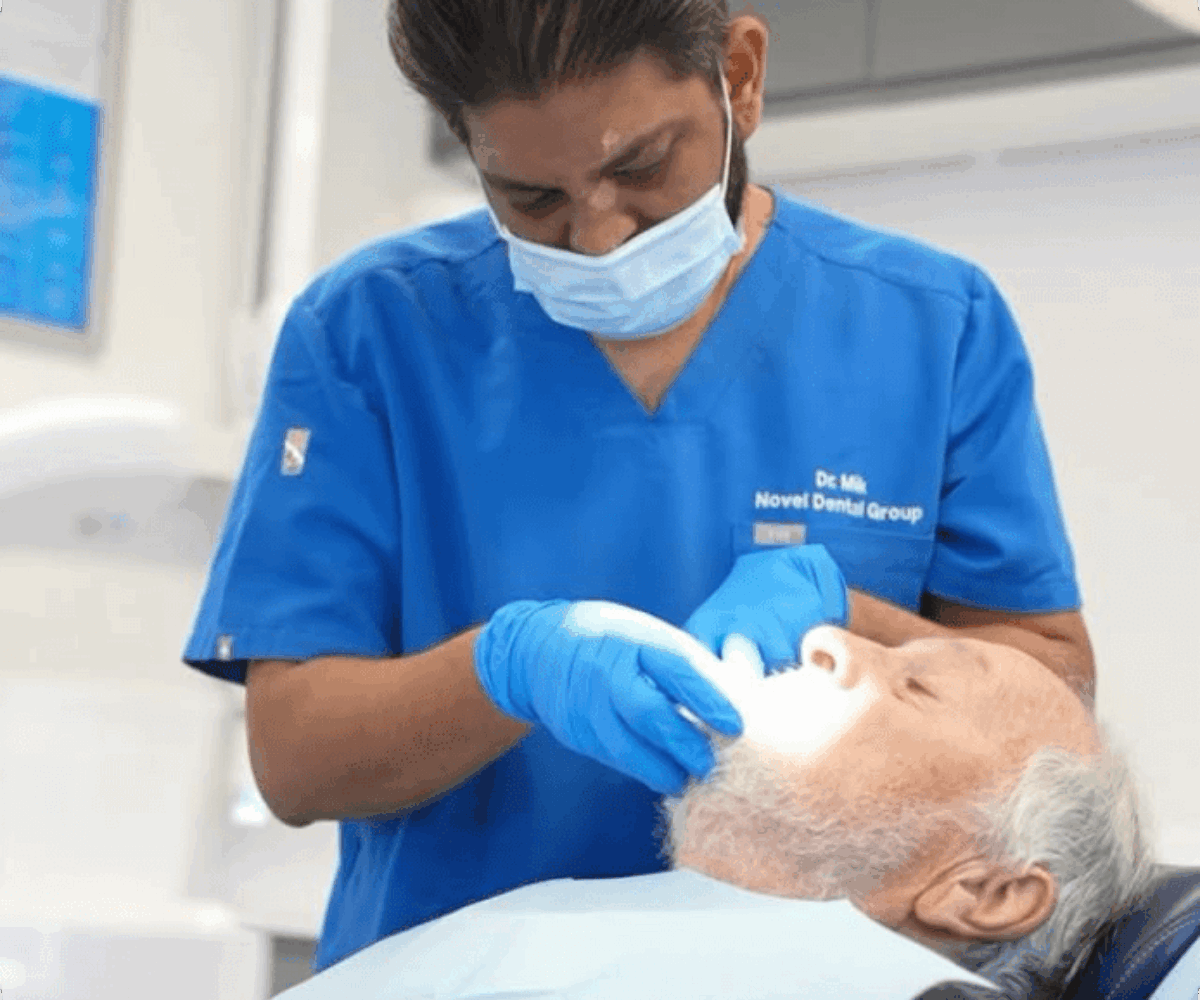
Sometimes, despite best efforts to save a tooth, extraction is the only safe and effective option.

A tooth extraction may be required when a tooth is too badly damaged, decayed, or infected to be restored, or when it is causing problems for neighbouring teeth.

At Kent Emergency Dentist, we provide same-day emergency appointments across towns and cities, including Maidstone, Canterbury, Ashford, Dartford, Tunbridge Wells, and many more throughout Kent. Our dentists focus on making the procedure as comfortable as possible and on ensuring patients understand their treatment and aftercare every step of the way.

Why a tooth extraction may be needed
Tooth extraction is usually considered a last resort, only recommended when other treatments such as fillings, crowns, or root canal therapy cannot save the tooth. Common reasons for needing an extraction include:

  • Severe tooth decay that has damaged too much of the structure.
  • A broken tooth that cannot be repaired.
  • Advanced gum disease leading to loose teeth.
  • A dental infection that cannot be treated with a root canal.
  • Crowding or impacted teeth, such as wisdom teeth.
  • Preparation for orthodontic treatment in certain cases.

By removing the problem tooth, your dentist can help relieve pain, prevent infection, and protect the health of your surrounding teeth and gums.

What to expect during an emergency tooth extraction
If you attend for an emergency extraction, your dentist will take the following steps to ensure safe and effective treatment:

  • Examination and X-rays – The dentist will assess the affected tooth and take X-rays to understand its position and the surrounding bone structure.
  • Pain management – A local anaesthetic is given to numb the area so you remain comfortable throughout the procedure.
  • Tooth removal – Using precise instruments, the dentist gently loosens and removes the tooth. For some complex cases, such as impacted wisdom teeth, a surgical extraction may be necessary.
  • Post-extraction care – Once the tooth is removed, the dentist will provide instructions to support healing and reduce the risk of complications.

The procedure itself is usually quick, and with modern techniques, discomfort during treatment is kept to a minimum.

Types of tooth extraction
There are two main types of extraction, depending on the complexity of the case:

  • Simple extraction – Performed when the tooth is visible above the gumline and can be removed with minimal intervention.
  • Surgical extraction – Needed when the tooth is broken, impacted, or lies below the gumline. This involves a small incision in the gum and, in some cases, removal of surrounding bone to access the tooth.

Your dentist will explain which approach is most suitable for you before beginning treatment.

Aftercare and recovery
Caring for the extraction site is important for proper healing. Your dentist will provide detailed aftercare advice, which typically includes:

  • Bite gently on gauze to help stop bleeding in the first hour.
  • Avoid rinsing, smoking, or drinking through a straw for the first 24 hours to prevent dislodging the clot.
  • Apply a cold compress to the cheek to reduce swelling.
  • Eat soft foods and avoid chewing on the extraction side for several days.
  • Maintain good oral hygiene, brushing carefully around the area.

Most patients recover within a few days, though surgical extractions may take slightly longer. Any discomfort can usually be managed with over-the-counter pain relief as advised by your dentist.

Call Kent Emergency Dentist now to Book a Same-day Appointment
Contact us Hotline: 01474 639 111

We welcome patients across Kent 24/7.

Back to Emergency Treatments right blue plain arrow right black plain arrow

01

You’re in the Right Place

Whether it’s a cracked tooth, lost filling, or swelling, our friendly team helps patients like you every single day.

Contact us right blue plain arrow right black plain arrow
conten shape1

07

Important Information

Dental Emergency? right white blue circle arrow down white blue circle arrow

If you’re experiencing severe pain, facial swelling, or dental trauma, call us immediately on 01474 639 111.

Before you Arrive right white blue circle arrow down white blue circle arrow

  • Take over-the-counter pain relief as directed.
  • Apply a cold compress to reduce swelling.
  • Bring a list of current medications.
  • If a tooth is knocked out, keep it moist.

Regulatory Information right white blue circle arrow down white blue circle arrow

This practice is regulated by the General Dental Council. All practitioners are GDC-registered professionals. Treatment options and outcomes will be discussed with patients prior to any procedure.

Important Information

Don’t wait for your pain to get worse. Book your appointment today

Delaying care can lead to serious infections and complications.

Contact us Call us now

Emergency Hours

  • Same-day appointments available*

*Subject to working hours and availability.

5.0
Google-review